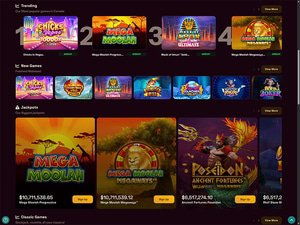
Responsible gambling is easier to maintain when useful controls are visible before money is deposited or play begins. The information available through grizzlys quest casino canada describes several account tools, including deposit limits, session reminders, self-assessment information and self-exclusion. These options do not remove every risk, but they can create deliberate pauses around spending and play. Canadian adults should also consider provincial rules, personal finances and signs of harm rather than treating any gambling site as a source of income. The most effective approach combines platform controls with personal boundaries and independent support.
Start with a limit that reflects your real budget
A deposit limit is most useful when it is based on money left after ordinary obligations, not on an optimistic estimate of future income. Rent or mortgage payments, food, utilities, debt repayments, transport, savings and emergency costs should be accounted for first. Gambling money should come only from discretionary funds, and it should never include borrowed money, credit needed for bills or money set aside for another person.
The available account information describes daily, weekly and monthly deposit-limit settings in the banking or account area. A daily limit can be appropriate for someone who wants frequent short sessions, while a weekly or monthly limit may make spending easier to view in context. Choose a figure before playing and avoid increasing it simply because a previous limit has become inconvenient.

Limits work best when they are treated as a spending boundary rather than a target. If the account allows a player to request a higher amount, a cooling-off period may apply, but the exact process and timing should be checked in the current terms. Keep a separate record of deposits and withdrawals as well, because an account balance alone may not show the full cost of play over time.
Use session reminders to interrupt automatic play
Time can pass unnoticed when games are fast, visually engaging or available continuously. Session reminders are designed to interrupt that pattern by prompting a player to reconsider how long they have been active. They are particularly useful when play takes place late at night, during stressful periods or alongside alcohol, fatigue or other factors that can weaken decision-making.

Set a reminder for a period that is shorter than the maximum session you would otherwise accept. When it appears, stop the game and check three things: how much time has passed, how much has been spent and whether continuing fits the original plan. A reminder should be a genuine pause, not a notification to dismiss automatically while keeping the next game ready.
It can help to pair the reminder with a physical action, such as standing up, drinking water or moving away from the screen. If you feel irritated by the interruption or repeatedly extend play after each prompt, treat that reaction as useful information. The issue may not be the reminder itself but the difficulty of stopping once play has begun.
When is self-exclusion the more suitable choice?
Self-exclusion is a stronger measure than a deposit limit. It is intended for people who want to stop access for a defined period or indefinitely, rather than merely reduce spending. It may be appropriate after repeated attempts to cut back, chasing losses, hiding gambling, neglecting responsibilities or feeling unable to stop despite financial or emotional consequences.
The published information describes self-exclusion as an available responsible-gambling control, while noting that some requests may require contact with support. The exact duration, account treatment and process should therefore be confirmed through the current account controls or Help Centre. Do not assume that closing a browser, deleting a shortcut or removing a payment card creates formal exclusion.
Before requesting exclusion, list practical steps that support the decision. Uninstall gambling-related notifications, tell a trusted person, review recurring payments and arrange alternative activities for times when gambling usually occurs. If access to several operators is a concern, ask a support service about broader blocking options. The Responsible Gambling Council’s information resources can provide independent Canadian context, but they do not replace professional advice tailored to your circumstances.
Recognize the limits of platform controls
Account tools can restrict activity within one service, but they cannot measure every form of gambling or prevent access to other websites, venues, lottery products or informal betting. A deposit limit also does not necessarily show the total amount spent elsewhere. For that reason, a personal gambling budget should cover all gambling activity, not just the account where a limit has been set.
Verification and account reviews may also affect access. The available information says identity or payment-method checks can be requested before a first withdrawal or during further review, and that access may be affected by geographical restrictions, self-exclusion or security procedures. These processes are separate from responsible-gambling controls. Players should keep their details accurate and avoid assuming that a temporary access problem means an exclusion request has been completed.
Promotions can make boundaries harder to maintain because they introduce deadlines, qualifying deposits and wagering conditions. A bonus should never justify depositing more than planned. If an offer makes you increase stakes, play longer or try to recover a loss, decline it. Check the current promotion terms and remember that unclaimed benefits are less important than protecting a pre-set spending and time limit.
Build a personal plan before the first session
A short written plan is more reliable than decisions made during an exciting or frustrating session. Record the maximum amount, maximum time, games or activities you will avoid, and the exact point at which you will stop. Include a rule that losses will not be chased and that withdrawals or winnings will not be treated as permission to increase the next session’s budget.
Use practical barriers alongside account controls. Turn off promotional notifications, avoid storing payment details when possible and do not play from devices used for essential work or household finances. A separate spending record can show whether the activity is becoming more frequent or expensive. If you share finances with a partner, consider an agreed household rule for gambling money and transparent transaction checks.
Review the plan at a fixed interval, such as once a month, rather than after every win or loss. Warning signs include borrowing, lying about play, missing work, feeling preoccupied with gambling or using it to manage anxiety and low mood. If those signs appear, stop playing and seek support. A platform’s limits are helpful safeguards, but asking for help early is often the most important control available.
Questions about responsible gambling controls
Can a deposit limit guarantee that I will not lose more?
No. A deposit limit generally concerns money added to one account and may not include other gambling services or existing balances. It cannot predict losses, winnings or spending elsewhere. Set a broader personal budget, track all gambling activity and consider self-exclusion or professional support if maintaining the limit becomes difficult.
What should I do if I cannot stop after a session reminder?
Stop playing at the next practical opportunity, withdraw from the device and record what happened without trying to win back losses. Consider lowering access, applying a stronger account restriction or requesting self-exclusion. Tell someone you trust and contact a Canadian gambling-support service for advice if stopping remains difficult.
Are responsible-gambling tools the same as financial advice?
No. Deposit limits, reminders and exclusion settings are account safeguards, not financial planning or treatment. They cannot assess debt, household affordability, mental health or legal circumstances. If gambling is affecting bills, relationships or emotional wellbeing, speak with a qualified financial, health or gambling-support professional rather than relying only on platform settings.